
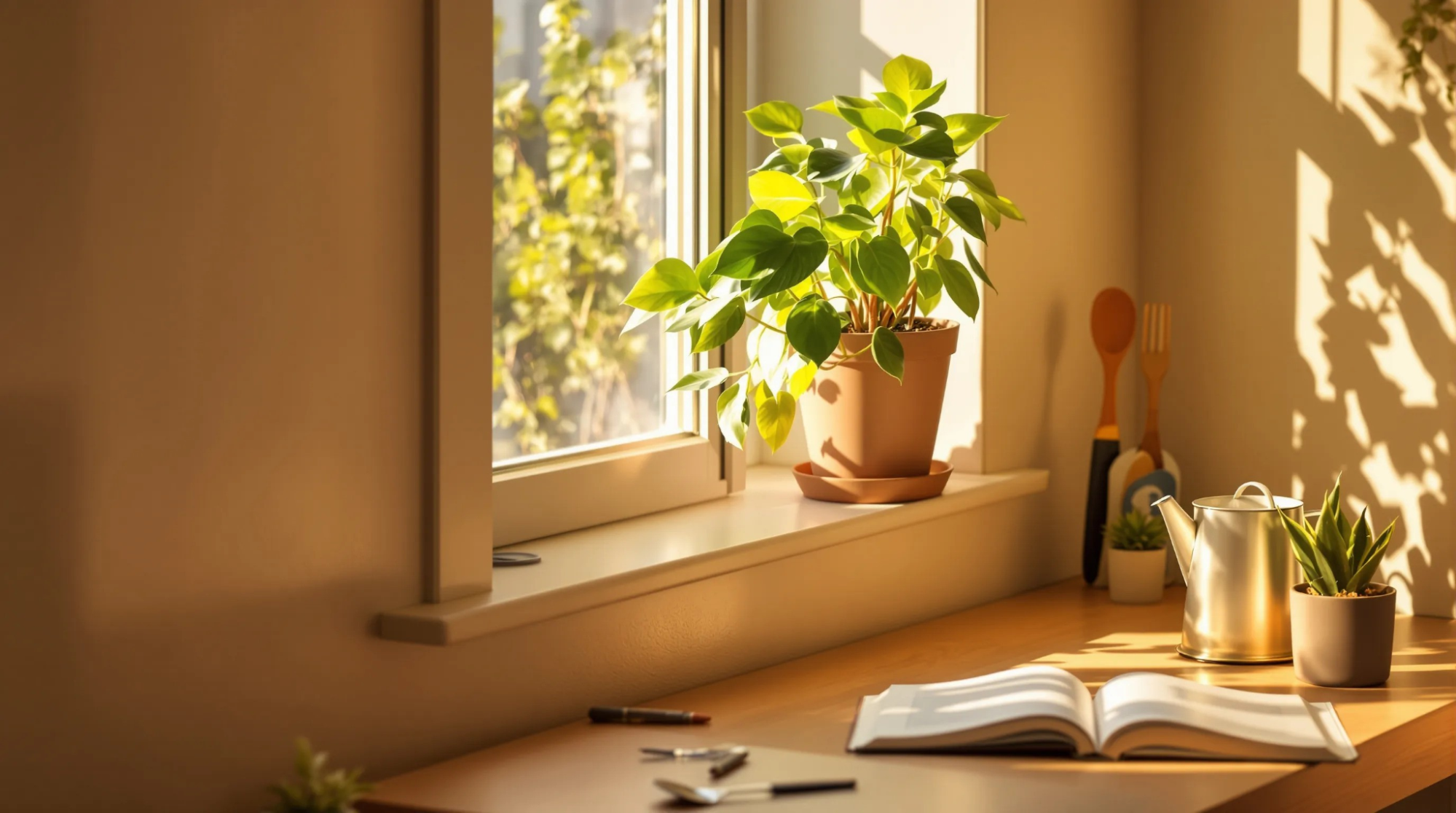
Welcome to our pickle plant care extravaganza. If you’ve ever wondered why your beloved houseplant seems to be more morose than a soggy pickle, you’re in the right place. We love these quirky plants, and with a bit of TLC, yours can shine like a star in a vegetable aisle. Let’s pickle our way to plant happiness.
Understanding Pickle Plants
Pickle plants, or Peperomia, are not exactly what they seem. These delightful houseplants are beloved not just for their name but also for their charming foliage and low-maintenance nature. We find that they come in various shapes and sizes, each with its unique characteristics, making them perfectly adaptable to our way of life. Their plump leaves store water, so they are masters of survival, even if we occasionally forget to water them. This resilience makes them perfect for both seasoned gardeners and budding green thumbs alike.
Ideal Growing Conditions
To ensure our pickle plants flourish, we must create an inviting environment. Here’s how:
Watering Requirements
We often hear the struggle of overwatering, it’s a real pickle. These plants prefer to dry out between waterings. When we water, we should soak the soil thoroughly, but let it dry out completely afterward. A good rule of thumb is to check the top inch of soil: if it’s dry, it’s time for a drink.
Soil Composition
Proper soil is like a comfy bed for our pickle plants. We need a well-draining potting mix, ideally one crafted for succulents or cacti. This helps to prevent root rot, which can be a plant’s worst nightmare. A mix of potting soil, perlite, and orchid bark is our secret recipe.
Light Preferences
Pickle plants thrive in bright, indirect light. While they might not appreciate being scorched by direct sunlight, ouch., they do enjoy a sunny spot that doesn’t fry their leaves. We’ve found that they also adapt well to lower light conditions, but remember that this might slow their growth a tad. So when you’re placing your prized pickle plant, think cozy windowsill rather than boiling sun. Adjusting their position might just do the trick when their leaves start stretching towards the light.
Fertilization Tips
To keep our pickle plants in peak condition, we need to get a bit crafty with fertilization.
Common Pests and Diseases
While pests aren’t common, aphids and mealybugs can sometimes gatecrash our plant party. Keeping a keen eye on our plants is crucial, catching any uninvited guests early makes all the difference. If we spot any, a gentle wipe with a damp cloth or a spray of insecticidal soap will usually do the trick.
Signs of Stress and Troubleshooting
It’s also essential to recognize signs of stress. If our pickle plants’ leaves start to shrivel, turn yellow or droop, it might be time to reassess our care routine. This may indicate overwatering or insufficient light. Adjusting our approach, increasing light or altering watering habits, can revive them and keep them jolly.