
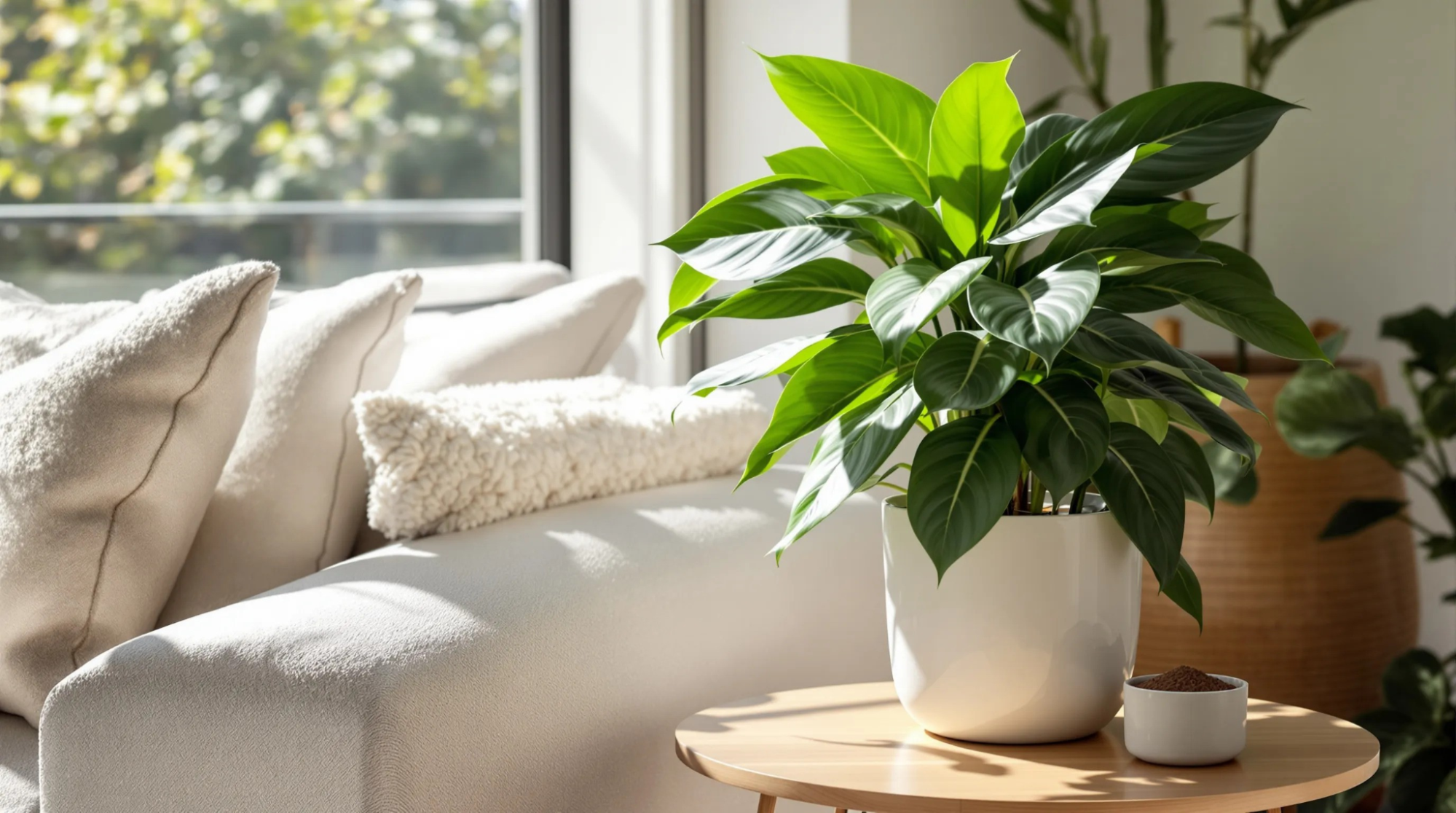
ZZ plants are the undisputed champions of the indoor plant world, aren’t they? With their shiny, thick leaves and resilience that could make a cactus weep, they’re perfect for anyone who wants a touch of green without the constant upkeep. Imagine adding a fabulous plant to your home decor that thrives on neglect. Yes, that’s the ZZ plant for you. So, let’s jump into the essentials of ZZ plant care, and trust us, it’ll be as easy as pie (and just as satisfying).
Understanding The ZZ Plant
The Zamioculcas zamiifolia, better known as the ZZ plant, originates from East Africa, where it’s cultivated by nature to withstand droughts. This hardy plant has adapted to handle low light conditions and infrequent watering, making it one of the easiest houseplants for us to care for. It’s almost like it knows we’re busy, who has time for high-maintenance plants? Plus, its stunning aesthetic can elevate any space instantly.
Light Requirements
When it comes to light, the ZZ plant is as chill as they come. It thrives in low to bright indirect light, making it versatile for almost any room in our house. If we’re placing it in a lower light space, we might notice a slower growth rate, but fret not. The plant will still survive. If it’s bursting with energy in a brighter area, the leaves will flaunt that glossy shine we all love. Just remember, avoid direct sunlight since it can scorch those lovely leaves.
Watering Guidelines
Ah, watering, the trickiest part of plant care. With the ZZ plant, we have to resist the urge to overdo it. This plant likes dry soil, so we should only water it when the top couple of inches of soil feel dry to the touch. In general, during the growing season (spring and summer), we can water more frequently, about every two to three weeks. But, in fall and winter, we should scale back to once a month. Overwatering can lead to root rot, and believe us, it’s not a pretty sight.
Soil and Potting Needs
Choosing the right soil is crucial for our ZZ plant’s happiness. A well-draining potting mix is the best option, as it helps prevent the dreaded root rot. We could even mix regular potting soil with sand or perlite for extra drainage. In terms of potting, ensure our pot has holes at the bottom, this allows excess water to escape. As for re-potting, every couple of years should do the trick, or whenever we notice roots peeking out of the drainage holes.
Fertilizing The ZZ Plant
Now, let’s talk about a little love boost, fertilizing. While the ZZ plant doesn’t demand much in terms of nutrition, we can still give it a little something during the growing season. Using a balanced liquid fertilizer every month from spring to early fall is plenty. We should dilute it to about half strength to avoid overwhelming our plant. In winter, we can skip fertilization altogether since the plant enters a dormant phase.
Common Issues and Solutions
Even the toughest plants can encounter a few bumps along the way, right? One of the most common issues with our ZZ plant is yellowing leaves, often caused by overwatering. If we spot this, it’s a big red flag that we need to cut back on watering. If the leaves become brown and crispy, we might be facing the opposite problem, insufficient water. In both cases, address the root cause, and our ZZ plant should bounce back. We should also keep an eye out for pests like spider mites. A quick wipe with a damp cloth or a spray of insecticidal soap can help keep them at bay.